No items found.
No items found.

Ultimate Auto Repair Sees Endless Possibilities

Originally from Detroit, Karl Roekle always dreamed of moving to the countryside. After ten years of working as a prototype engineer for the Ford Motor Company, he moved with his wife and two daughters to Jackson, Michigan. Karl started Ultimate Auto Repair in 2005 to provide for his family where he was fixing vehicles for the amazing people of Jackson out of a barn on his property. He was the sole owner, technician, and service writer

December 12, 2025

|

Read time: 3 min

$502

Avg. Repair Order

246

Avg. Car Count

9

Number of Employees

Average Car Count

Number of Employees

Number of Bays

Business picked up over the years, and Karl was able to assemble a small team and build his own on-premise shop management system. In 2010, he decided to move Ultimate Auto Repair to a larger space two miles from his house. He was able to employ more people but eventually hit a growth cap.

After switching to Tekmetric, Karl was able to accelerate over the hump and more than double his business. Today, they’re still growing every month.

Ripping the Band-Aid Off

With my old system, I was stuck. Each technician would have five or six clipboards, and they'd have to shuffle and figure out what was authorized and what wasn't. To find out anything, I had to do it manually. It's no fun at the end of the month trying to count how many cars and work orders we did.

There was no way that we were going to make it any further without a lot of changes.

I was afraid to make the change. I thought, "Tekmetric has a lot of good stuff going, but I'm not sure". And then everything came to a head. My laptop crashed. I couldn't get into the old program. We had been talking about making the change, so I grabbed my service writer and said, "We're making the change right now". It was like ripping off the band-aid.

By day three, I said to my team "Hey guys. I'm sorry about the stress". And they said, "Stress? Are you kidding me? This is way better! We don't have to look for a work order on the wall!" They took to it right away.

The immediate result was that everybody could instantly see with a click what everyone else was talking about. The technician could put his notes in there: what he saw and what he didn't see. It's so nice for the service writer to be able to see the customer's notes and the technician’s notes. The customer came in with this complaint. We addressed it. This is the problem. The technician also found this. And everybody can see that live, instantly.

shop employees next to sign

Ticket to Freedom

I was welded to the place without Tekmetric. If I wasn't there, nobody knew what to do. Now, they know.

You can't run a million dollar shop off of one guy having to be there. At the end of the day, the world runs on math. If you don't know what the math is, you don't know what you're doing; you have no clue whether you made money or you lost money. You're just throwing quotes out there and hoping things are there.

But with Tekmetric, I can see in realtime what my markup is, what it's going to be, and what it should be. I can give my service writers a bottom dollar: what they need to sell it for. I can tell them how much they need to discount for, and they can quickly see all that right in Tekmetric. I can set up matrices, even labor matrixes now, which is crazy to me!

I call it their 'guard rail'. They know how high they can go and how low they can go to make a sale. At some point, if you don't have a technician working, and that's their job for the day, and if you don't sell that job, they’re not going to be working. That service writer needs to know how low they can go to make that sale.

Tekmetric gives me the freedom to leave for days at a time and everything keeps running. It has basically allowed me to duplicate myself, to show the guys: this is the system, and these are the steps you need to take. I can show the guys what to do, and they can replicate it.

Before, vacations were almost impossible. Now, I can leave, and I know the shop will keep running. With Tekmetric, it's all right there. My team has everything they need.

view of shop from above

Realizing the Potential

As a business owner, Tekmetric helps me make quick decisions, which is what it's all about. I have to be able to know where I’m at and where I’m going to project it. And then we need to be able to operate with consistency, too. Because when the customer comes back the second time, we need to be able to quote it the same. There's so much background information in there that I don't know how I'd run anything over $500,000 without Tekmetric.

We're moving into commercial diesel. In Jackson, there are a lot of general contractors, plumbers, and electricians. I'm cleaning out the spare building on my property and putting in four bays, so we can concentrate on commercial diesel customers over there and get their trucks in and out quickly. It's awesome because I can set that up in Tekmetric as its own repair shop. I can track the efficiency of service writers and technicians in each building.

Growing my business allows me to get people good jobs - jobs that weren't necessarily available to me. The possibilities are limitless.

Making the Dean's List

My daughters have been helping around the shop, too. My 21-year-old comes in after hours and spends three to five hours a week cleaning the shop and does interior details. She started her own cleaning business, and she cleans houses.

My youngest is our Quality Control. She QCs all the cars when we're done. And she wants to be a service writer, so we're training her to be a service writer. She works with me every day. It's pretty awesome. She likes accounting, and she actually does our end-of-day reporting, so she loves Tekmetric. She can jump in there and go through and close out all the cars and make sure they're all paid for. She gives me the final count.

I'm happy that I can teach her a trade where she can make some money, whether she’s working at Ultimate Auto Repair or another shop.

And both kids made the dean’s list this semester! So I’m proud of that, too.

For more information about Ultimate Auto Repair, visit ultimateautorepairmi.com

‍

Average Car Count

Number of Employees

Number of Bays

Recommended stories

Aniz Lavji has been in business for 20 years, but he'll tell you he's only been running a business for one of them.

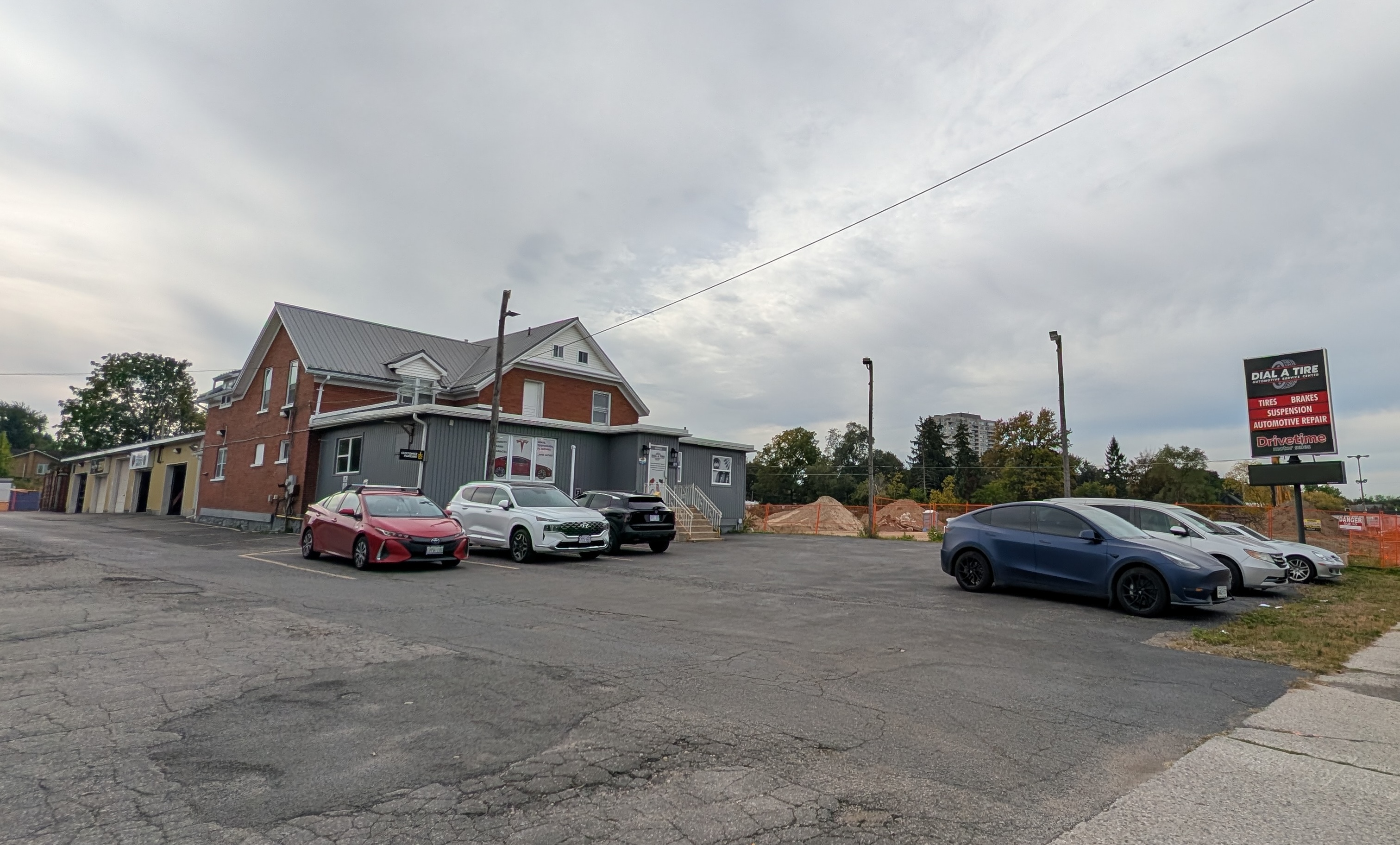
Dial A Tire Automotive Service Center, in Ontario, Canada, started as a used car dealership in 2006. Lavji was studying broadcast journalism at the time and hated it. When his father called about a dealership lease, they signed it within the hour.

The pivot to tires came by accident. Lavji bought a pair of used tires for a customer car, not realizing his dad had already bought new ones. Stuck with $150 worth of rubber, he listed them on Craigslist for $220.

"Nine minutes later, I had somebody drive up with $200 and hand it to me," Lavji said. "That sparked me."

Receipts, Not Repair Orders

For almost two decades, Dial A Tire ran on accounting software that wasn't built for auto repair.

"We were using a software that you can use for selling flower pots," Lavji said. "And that's just what we knew. We didn't know any different."

Every job was one line. For instance, a $450 brake job showed up as exactly that. No labor breakout, no parts detail, and no transparency for the customer. Inspections meant walking a customer into the bay and pointing at a rotor. There were no digital vehicle inspections, no automated texts, and no follow-ups after the car left.

Then, Lavji heard about Tekmetric on a podcast. He ran a demo, decided the platform could transform his business, and went live in June 2025.

Nearly Doubling Revenue

Dial A Tire finished 2024 at roughly $780,000. In 2025, the first partial year on Tekmetric, the shop hit $980,000. Halfway through 2026, Lavji is projecting about $1.7 million in business.

The shop cleared more than $160,000 in April and again in May, running at 59% gross profit.

He added one person to the team to accommodate the influx of work.

"I haven't done anything different. It's still me in the front doing everything when it comes to writing repair orders," Lavji said. "It's not like I can say, 'Oh, I've got eight staff in the garage and that's why we're able to do these kind of numbers.' I don't have any of that."

More Than 1,000 Inspections in the First Month

Digital vehicle inspection photos at Dial A Tire climbed from about 200 to more than 1,000 within the first month on the platform.

The jump came from a decision Lavji made in a staff meeting: stop inspecting like a tire shop.

"Because we're a tire shop, we're just going to look at the tires. We had to expand exactly what we were looking at as if it was our own vehicle," Lavji said. "If our own vehicle is traveling down the road, do we want the tech to just look at the tires? Just look at the brakes? No."

The team built a repeatable inspection covering every critical item, timed to fit a real service visit rather than eat the customer's afternoon. It only takes about 15 minutes.

"Now it's just second nature," Lavji said. "When the car comes in, no one's asking me, 'Should we do an inspection?' It's something that we just do."

That documentation also changed phone calls. When a customer rings up about a noise, Lavji can pull a service record instantly.

"'Oh, well, Dec. 23 at 2:52 p.m. we had sent you this inspection that you actually need front control arms,'" Lavji said. "'Oh, you know what? I remember that. Yeah, you're right.' It's like, 'Hold on a second.' Click. 'Did you just send that to me while I'm on the phone?' 'I did, because I can.' And they're impressed."

Tekmetric Marketing Keeps the Bays Full

The leaps in growth didn't come from a bigger team. They came from reaching every customer more often, automatically.

Lavji points to Tekmetric Marketing as the engine behind the numbers. Lost customer follow-ups pull people back who haven't been in. Automated texts go out six months after an oil change to bring customers in for the next one. Two days after a service, an automated message asks how the vehicle is doing. Two days after that, a review request goes out.

"It's utilizing the features, the lost customer follow-ups in the Tekmetric Marketing system. It's using the text messages after their oil changes," Lavji said. "All these little things that you make use of is just going to bring them back and give you another touch on their vehicle."

The result: dramatically increased positive reviews. Dial A Tire sits at 705 Google reviews and a 4.7 rating.

"How much would you pay someone to write 15 to 20 five-star reviews from 20 different accounts on Google? You'd probably write a check," Lavji said. "You don't have to. Your customers are going to be so happy that they are going to be more than happy to respond."

Online bookings also have exploded.

"All of a sudden, online booking went nuts, which has been insane," Lavji said.

The shop is now booking a week out with 40 to 50 hours on the board before the week even starts.

A Level of Communication the Industry Needed

Texting has changed how customers relate to the shop. They aren't waiting for a surprise phone call anymore. They get the inspection first, then the conversation.

"They have that sense of family when they're actually sending us a message," Lavji said. "They know that it's going to get taken care of. They know that we're on top of it, and they're getting these updates instead of a random phone call."

Lavji said the extra layer of communication is a boost for the business.

"They're telling their spouse, 'Yeah, I'm just going to send a quick message to Aniz and he's going to get it all figured out,'" Lavji said. "It's just a level of communication that you're able to have with a customer that this is something the industry's needed for a long time."

Onboarding: One Long Night, Then One Month

Lavji didn't ease into Tekmetric. He jumped head first.

He logged into the sandbox on a Sunday and stayed up until 4 a.m. the next morning building work orders and watching every training video on the site, including the technician ones.

"I needed to make sure that I had a very good idea on how to do most of the things," Lavji said.

His team was fully comfortable with the platform in about a month. Coaching and the built-in training library did the rest.

"The transition even for new employees that are coming on board, your how-to and your videos that you have on the actual site, those are really, really good and made very tasteful," Lavji said. "It doesn't get boring."

Running the Shop From Anywhere

Cloud access has taken Lavji out of the building without taking him out of the business. He's written work orders from a vacation in Cancun and managed the shop from a training conference in North Carolina three months after going live.

"During my breaks in class in North Carolina, I'd have my laptop there, log in, and I was able to communicate with my customers, send off work orders, and everything was just flowing," Lavji said. "I was able to take control of my business from another country."

He also gets home earlier. Lavji used to fight his way out of the shop by 6 p.m. He leaves by 4 p.m. now.

"Before, I had to make all these receipts, have everything ready," Lavji said. "But now I've got open work orders, and everything's done. So, even if I'm not here, my techs can close them out, they can take the payments, and do everything."

A Team Built on Giving People a Chance

Dial A Tire runs with four people: two licensed technicians, one service advisor who was a recent hire, one apprentice, and one tire tech. The business is looking for another tire tech.

"I think there should be more women in the trades," Lavji said. "Whether you're a man or a woman, you can be a shop owner, you can work in the shop, you can turn wrenches. It doesn't matter. But they have to be given the chance to do it. And that's one change that I want to make sure I'm part of."

What He Tells Other Shop Owners

Lavji has become an unofficial Tekmetric recruiter at industry events, and he doesn't spend much time on the cost question.

"If it has to do with the price you're going to pay, $400 or $500 a month is nothing because when you get the software, your labor rate will go up," Lavji said. "You're not even going to realize that you're spending that because you're making 10-to-20 times that."

He's equally direct about effort. Software doesn't run a shop. Owners do.

"It's only going to be as good as what you put in. If you put in 10%, you're only going to get 10%," Lavji said. "But if you're all in, you do the work, do the training, ask questions, talk to industry experts, that's the only way that you're going to understand the full potential."

What sold him on Tekmetric wasn't a feature list. It was watching a company respond when shop owners asked for something, including Tekmetric CEO Sunil Patel answering directly in the Tekmetric User Group, TUG.

"Where do you get a company where the CEO is actually going in there and responding? It doesn't happen," Lavji said. "Being able to work with a company that's actually listening to what we need and what we want is second to none."

And when Lavji is asked what he'd say to an owner still deciding, the answer is short.

"I've been in business for 20 years. I've only started running my business since I got the software," Lavji said. "My only advice to others is you should have done this sooner."

Frequently Asked Questions

How much did Dial A Tire's revenue grow after switching to Tekmetric?
Dial A Tire finished 2024 at roughly $780,000. In 2025, its first partial year on Tekmetric, the shop hit $980,000. Halfway through 2026, owner Aniz Lavji is projecting about $1.7 million, with one new hire added to the team.

How did Dial A Tire increase digital vehicle inspections?
The team stopped inspecting like a tire shop and built a repeatable inspection covering every critical item in about 15 minutes. Digital vehicle inspection photos climbed from about 200 to more than 1,000 within the first month on Tekmetric.

How does Tekmetric Marketing bring customers back to the shop?
Lost customer follow-ups reach people who haven't been in. Automated texts go out six months after an oil change, two days after a service to check on the vehicle, and two days after that to request a review. Dial A Tire now sits at 705 Google reviews with a 4.7 rating and books a week out with 40 to 50 hours on the board.

About Dial A Tire

Dial A Tire is a tire and automotive service shop in Ontario, Canada, founded by Aniz Lavji and his parents. What began as a used car dealership in 2006 is now a five-bay shop serving its community with tires, mechanical repair, and seasonal tire storage. Dial A Tire uses Tekmetric to manage repair orders, digital vehicle inspections, customer communication, and marketing.

About Tekmetric

Tekmetric is the all-in-one auto repair platform built for the shops that keep people moving. More than 16,000 shops use Tekmetric to make more money, repair more cars, run more efficiently, and deliver a better customer experience through digital vehicle inspections, integrated payments, marketing automation, and real-time reporting. Learn more at tekmetric.com.

The multi-shop operator brought 16 shops onto one standardized system in nine months and cut estimate build time from about 15 minutes to about four

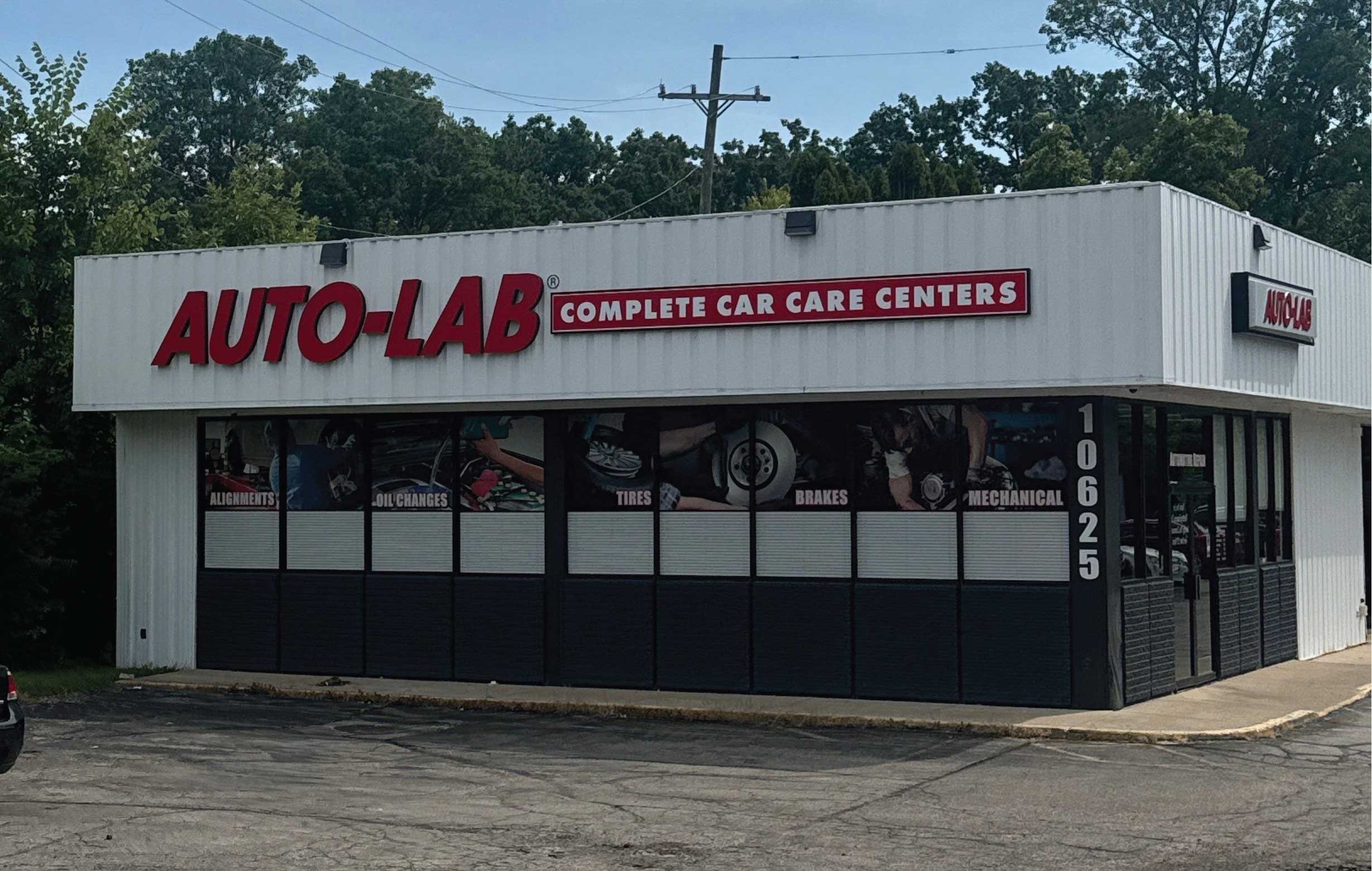
Mark Sullivan didn't set out to run multiple auto repair shops. He set out to fix cars the right way, at one location in Plymouth, Michigan. But as Auto-Lab's COO, Sullivan has spent the past year proving that growth and consistency don't have to be at odds, as long as the technology behind every shop works the same way, every time.

Auto-Lab migrated to Tekmetric a year ago, moving away from an aging, limited system. Since then, the company has scaled from two active Tekmetric locations to 16 in nine months, with additional shops preparing to come online as the brand continues to expand.

"Tekmetric has made things so much easier, not only at the store level, but even the reporting stuff with the multi-shop has helped tremendously," Sullivan said.

Starting with a Fragmented System

Before Tekmetric, Auto-Lab ran on a system Sullivan describes as feature-heavy but inconsistent.

"It had a lot of features, but none of them were great," Sullivan said.

Marketing tracking was unreliable. Integrations broke. Advisors pieced together workflows shop by shop with no easy way to compare performance or spot which locations needed help.

"A lot of times we put an integration in there and there's all kinds of bugs," Sullivan said. "Now we deal with a company that ties right into the back end of our point of sale, and we get our ROI down to the penny. We know it's accurate."

Standardization Built for Scale

Every time Auto-Lab opens a new location, the setup is already done. Canned jobs, labor rates, and DVI workflows are in place before the doors open.

"I walk in there, I turn the computer on, and all my canned jobs are already there," Sullivan said. "All I've got to do is plug the credit card machine in, and we're ready to do business."

That consistency extends to training. Rather than building a new inspection process at every shop, Sullivan's team teaches the same standardized workflow everywhere.

"We're not coming up with a new one every time," Sullivan said. "It just made the learning curve shorter, and it makes us look more professional and a lot faster than the old way."

Sullivan's goal is for every customer to have the same experience at any Auto-Lab location, no matter the state.

"I want the McDonald's experience," Sullivan said. "I don't care where you go in the country. I know what to expect and how the whole situation is going to go. When I'm dealing with one of the most expensive things I own, I want to feel comfortable. I want transparency. With Tekmetric, it allows us to do that in a repeatable way."

Store-by-Store Accountability

Tekmetric Multi-Shop reporting changed how quickly Sullivan could act. Instead of building spreadsheets from store-by-store profit and loss statements, he can now pull real-time data on digital vehicle inspections (DVIs) and gross profit per store and directly support the shops that need help.

"It just makes the whole system a lot easier and a lot simpler to navigate," Sullivan said. "You can pivot and help stores way quicker than we could in the past."

That side-by-side view of every location's performance replaced what used to be a manual spreadsheet exercise.

"Now I can simply go into the multi-shop, print it out, and have a store-to-store comparison," Sullivan said. "It's not me coming to them saying, 'Hey, you need to do this.' It's, 'These guys are doing this proven system, so which result do you want?'"

That visibility also surfaces gaps that would have gone unnoticed before, including service advisors who weren't presenting full estimates to customers, and by extension, weren't feeding those declined jobs into automated reminders.

"You can hold your staff accountable," Sullivan said. "Before, there was no easy way to track that stuff."

The same transparency helped Auto-Lab catch billing inconsistencies across a few locations, an issue Sullivan said would have gone undetected under the old system.

"If it wasn't on the multi-shop, I would never even know," Sullivan said. "The value-add on the franchisee's end, and us being able to see what's going on, is very important."

Faster Estimates, Lighter Workload

The shift to Tekmetric changed how long it takes advisors to build an estimate, cutting the process from about 15 minutes to about four.

"Now I can just click one button from the technician's checkout, and it builds the whole ticket," Sullivan said. "So now in four minutes, I'm texting it to the customer and moving on to the rest of the things I've got going on."

Sullivan estimates the time savings functions like adding another team member at every location, freeing advisors to focus on customer follow-up instead of paperwork.

"It's almost like adding another employee," Sullivan said.

Transparency That Builds Trust and Reviews

Tekmetric Payments met early resistance from Auto-Lab's team. A year later, Sullivan said that resistance evaporated.

"A year later, they're like, 'I don't even know how we dealt with not having this,'" Sullivan said. "The guys can pay from their phone. We can text them right through the software. It makes the customer experience better."

That transparency, paired with DVIs, has translated directly into online reputation. Auto-Lab's Google reviews have climbed from roughly one five-star review a month under the old system to eight to 10 per month today.

"Before, they were almost nonexistent," Sullivan said. "Now, our Google reviews are through the roof."

Sullivan credits the simplicity of the review request process, not just the technology, for the shift.

"It takes them about 30 seconds," Sullivan said. "That piece alone pays for the customer retention piece of the software."

For declined service follow-up, Sullivan's team layers in a personal touch rather than leaning only on automation.

"I have my advisors actually message customers directly," Sullivan said.

Room to Grow

Sullivan estimates Auto-Lab is using about half of what Tekmetric offers today, and he's not slowing down.

"At 50%, I'm over the moon happy with the results," Sullivan said. "We're just scratching the surface on what we can do."

Auto-Lab's average repair order has already climbed since adopting Tekmetric, and Sullivan is targeting the Michigan state average of around $700. If you're curious how your shop stacks up, benchmark your performance against thousands of shops nationwide with the free Tekmetric Shop Index.

"Now we have a benchmark to hit," Sullivan said. "The information I get from Tekmetric on industry standards gives me a road map to get to where everybody else is. I'm not just making up numbers."

Looking Ahead

Auto-Lab is on track to double in size over the next three years, and Sullivan sees every new location as a chance to launch at full strength from day one.

"With new stores, you don't have to deal with legacy habits," Sullivan said. "We're coming in with a fresh new software, a fresh new look, and a whole different set of rules on how we run shops."

For other multi-shop operators evaluating a switch, Sullivan's advice centers on standardization.

"All the successful shops I know use Tekmetric," he said. "That affirms for me that this is best practice. I don't need to reinvent the wheel."

Frequently Asked Questions

What results has Auto-Lab seen since switching to Tekmetric?
Auto-Lab brought 16 shops onto Tekmetric in nine months, cut estimate build time from about 15 minutes to about four, and grew its monthly five-star Google reviews from roughly one to eight to 10. Its average repair order has climbed since adoption, and the company is targeting the Michigan state average of around $700.

How does Tekmetric help multi-shop operators open new locations faster?
Canned jobs, labor rates, and digital vehicle inspection workflows are configured before a new shop opens, so the location launches on the same standardized setup as every other store. Auto-Lab's team also teaches one inspection workflow across all locations rather than building a new process at each shop.

How does Tekmetric Multi-Shop reporting support accountability across locations?
Multi-Shop reporting gives operators a real-time, store-to-store comparison of digital vehicle inspection completion and gross profit, replacing manual spreadsheets built from individual profit and loss statements. Auto-Lab used that visibility to identify service advisors who weren't presenting full estimates and to catch billing inconsistencies across locations.

How did Auto-Lab increase its Google reviews?
Auto-Lab pairs digital vehicle inspections with Tekmetric's review request process, which takes a customer about 30 seconds to complete. Monthly five-star reviews grew from roughly one under the shop's previous system to eight to 10 today.

About Auto-Lab

Auto-Lab is a multi-shop auto repair operator with 16 locations across Michigan, Indiana, Connecticut, and Florida, and continues to grow its footprint. Auto-Lab uses Tekmetric to standardize operations, strengthen customer trust, and scale its brand experience across every location.

About Tekmetric

Tekmetric is the all-in-one auto repair platform. About 16,000 shops use Tekmetric to increase revenue, improve efficiency, and deliver better customer experiences through digital vehicle inspections, streamlined workflows, and real-time reporting. Learn more at tekmetric.com.

The Washington, D.C.-area chain used cloud-based visibility and real-time coaching to bring consistency to a multi-location operation

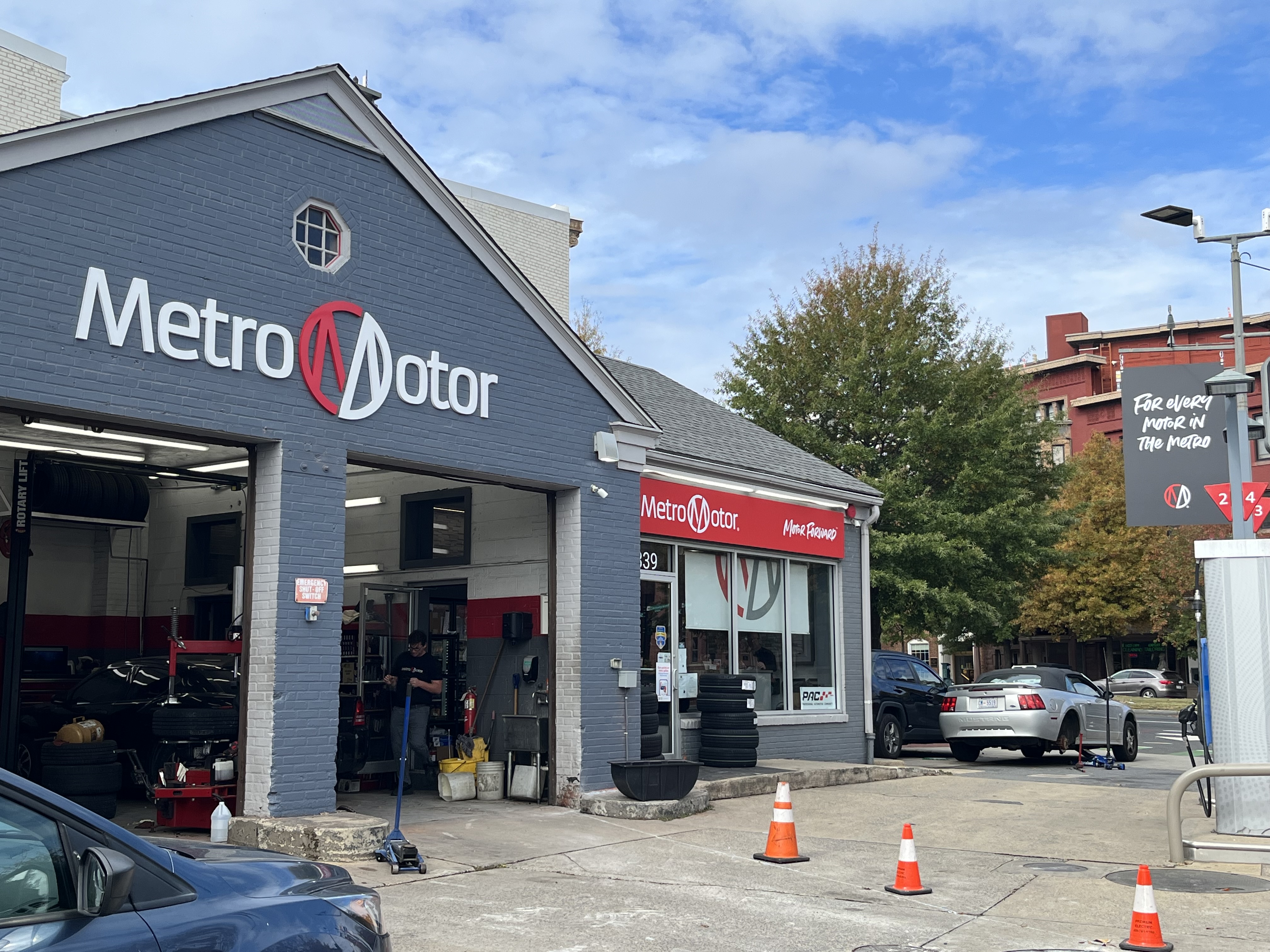
Metro Motor took an ambitious approach when scaling to 19 shops across the Washington, D.C. metro area. For COO Faisal Abu-Taa, the growth came from a simple formula: the right people, consistent execution, and the willingness to seize opportunities as they came, whether that meant adding a towing division, a collision department, an auto supply delivery business, or a new neighborhood shop.

But scaling fast created a familiar problem to any multi-shop operator: keeping every location running in a consistent way when you can't be everywhere at once. That's when Tekmetric entered the picture and made all the difference for Metro Motor.

From Paper Job Boards to Full Visibility

Before Tekmetric, checking on a shop meant physically being there. Abu-Taa had to be on-site just to see what was on the job board. That process worked when Metro Motor had a handful of locations but couldn't scale to 19.

Since moving the entire network onto Tekmetric, that changed. The platform's cloud-based access gives Abu-Taa and his operations team visibility into every shop from any location.

"Tekmetric gives us full visibility compared to before, when it was a struggle. I needed to visit each shop to even see what was on the job board," Abu-Taa said. "Now, with the cloud-based ease of Tekmetric, I have complete insight into everything going on. I can shoot a quick text: 'Hey, let's clean this up,' without the drive across town."

The rollout itself moved very fast. Metro Motor started onboarding its locations in November, and every shop was live by February, with teams fully trained by mid-March.

Consistency Across a Transient Market

Running 19 shops in the Washington, D.C. metro area means navigating distinct neighborhoods, each just minutes apart but with a different customer base and different expectations. Abu-Taa's team leans into that, treating each location like a neighborhood shop first.

Tekmetric Multi-Shop capabilities help make that possible without sacrificing consistency. When a customer visits any Metro Motor location, their service history travels with them.

"When a driver pulls into our bays, they become part of the Metro Motor family, with data synced in real-time across three states," Abu-Taa said. "Whether they first become a customer of ours in Old Town, Arlington, Bethesda, Georgetown, or any one of our neighborhood locations, they're entered in the system and can be recognized and greeted on their next visit, even if it's to a different shop. Being able to greet a customer by name with, 'Welcome back! I see you've been with us before,' goes a long way to building loyal and long-term relationships."

In a market as transient as Washington, D.C., where customers move among neighborhoods regularly, that builds trust fast.

Turning Inspections Into Revenue

Metro Motor's average repair order has climbed from about $450 to $800 per ticket, growth Abu-Taa credits to digital vehicle inspections (DVIs) paired with clear customer communication.

"Getting the car in, looking it over, and being able to present it with pictures and videos has really helped," Abu-Taa said. "It makes it an easier sale. We're showing, and seeing is believing."

Tekmetric Payments gave the team another lever to close large jobs. With financing options available directly through the platform, service advisors offer customers a way to say yes to larger repairs, like an engine or transmission job, without the sale stalling out at the estimate.

"It's given our guys the opportunity to send those videos, send different documentation, and to feel comfortable landing a sale. We also have access to Carfax so you're able to do better on the maintenance side," Abu-Taa said. "Our maintenance sales have gone up."

Metro Motor also uses Tekmetric to text customers directly from the shop's own number, sending inspection results and even a welcome message when a car comes in. Abu-Taa calls it an auto hospitality approach: every customer gets the same digital experience, tied to the shop, not to whichever advisor happens to be working that day.

Coaching in Real Time, Not the Day After

For a chain Metro Motor's size, consistency depends on catching problems before they reach the customer, not after. Tekmetric's real-time activity feed lets Abu-Taa's managers review inspections and estimates while a repair order is still open.

"Right now, we could open Tekmetric, see a customer go through, and look at the inspection report. We can say things like, 'Hey, before you send that, real quick, make sure we fix this, or look at the estimate. Hey, we missed this on it,'" Abu-Taa said. "Being able to coach in real time has been crucial."

That visibility now anchors a standing weekly review. Every week, managers and service advisors from across all 19 locations join a video call to walk through a handful of estimates together, line by line, comparing how each shop wrote up the same kind of job.

"We'll go over three estimates as a team on a Google Meet, going over the inspection report, the estimate, to try to get to that level of consistency across the board," Abu-Taa said.

It's a small ritual, repeated weekly, that keeps all shops writing repair orders the same way.

Onboarding a Workforce, Not Just a Software

Metro Motor hires from both inside and outside the automotive industry, and Tekmetric's sandbox environment gives every new hire, regardless of experience level, a place to train before they ever touch a live repair order.

"Usually within three weeks, even someone who has no experience within the industry, they're able to pick it up," Abu-Taa said.

New locations follow the same playbook: Metro Motor activates its Tekmetric subscription two weeks ahead of a shop's opening to build out test repair orders and get the team comfortable before day one.

Turning an Internal Parts Division Into a New Revenue Line

As Metro Motor grew, it launched Metro Motor Auto Supply, an internal division that supplies its shops with oil, filters, and other shop products. Tekmetric's SmartJobs ties directly into that operation, tracking product usage in real time as technicians complete jobs, rather than relying on manual inventory counts.

That real-time tracking turned into an unexpected growth opportunity. Metro Motor now supplies parts and products to shops outside its own network, using its Tekmetric integration as part of the pitch to win that business.

"Now it's growing and we're starting to supply repair facilities beyond our own shops," Abu-Taa said.

What started as a way to manage internal inventory has become its own line of business.

What's Next

As the network grows, Abu-Taa's focus stays the same: standardize the operation so every customer, at every location, gets the same experience.

"It's helped standardize our operation and helped us be more consistent across the board, to build a brand name that's recognizable throughout the DMV area," Abu-Taa said.

His advice to other multi-shop operators considering Tekmetric is direct.

"You don't lose anything by trying it," he said. "Once you make the change, you look back and you're like, 'I wish we would have done that a year ago.'"

Frequently Asked Questions

How much did Metro Motor's average repair order grow after switching to Tekmetric?
Metro Motor's average repair order grew from about $450 to $800 per ticket, growth the company attributes to Tekmetric DVIs, clear customer communication, and financing options through Tekmetric Payments.

How does Tekmetric help multi-shop operators stay consistent across locations?
Tekmetric's cloud-based platform gives operators full visibility into every location's job board, inspections, and estimates in real time, without requiring an operator to be on-site. Its multi-shop capabilities also connect customer history across locations, so a customer is recognized no matter which shop they visit.

How long does it take to onboard a new location or a new hire on Tekmetric?
Metro Motor typically activates Tekmetric two weeks before a new shop opens to prepare the team. New hires, including those without automotive industry experience, are generally comfortable running the platform within three weeks using Tekmetric's sandbox training environment.

About Metro Motor

Metro Motor is a multi-location automotive repair, collision, and towing chain based in Washington, D.C., operating 19 locations across the Washington, D.C. metro area. Metro Motor uses Tekmetric to standardize operations, strengthen customer trust, and scale a consistent, neighborhood-shop experience across its network.

About Tekmetric

Tekmetric is a cloud-based shop management platform built for independent auto repair shops. More than 15,000 shops use Tekmetric to increase revenue, improve efficiency, and deliver better customer experiences through digital vehicle inspections, streamlined workflows, and real-time reporting.